CSUF College of Communications alumna Jaclyn French ‘14 recalls she was at a Christmas party in 2024 when a neighbor informed her that, along with her own child, three other children in their community of Ladera Ranch had been diagnosed with Ewing Sarcoma, a cancer of the soft tissue and bone.
The American Cancer Society considers Ewing Sarcoma a rare cancer that nationwide is diagnosed in around 200 teens and children under the age of 20 each year — an annual rate of approximately 3 cases per million. But the rate in the meticulously planned, idyllic community in South Orange County was much higher than average among children: seven cases in total since 2007– one case per year between 2021-24. That is a substantial number, given the national rate and the fact that an estimated 9,100 children under 18 live in Ladera Ranch.
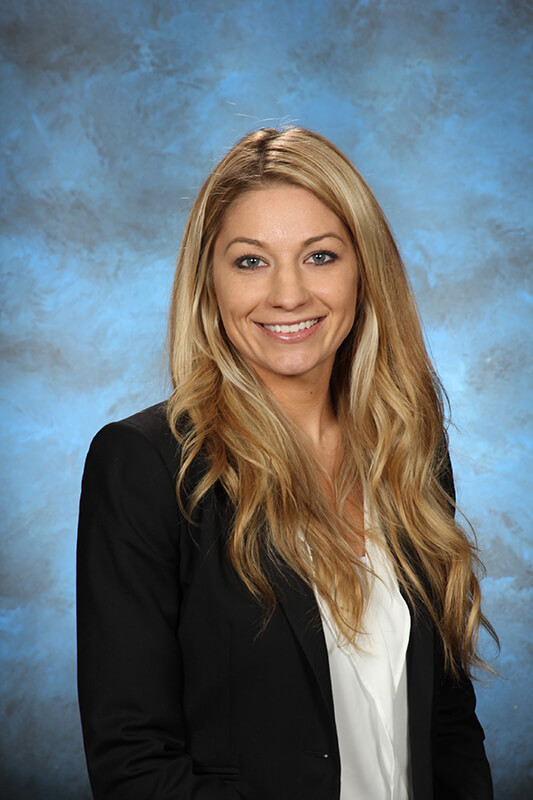
French describes Ladera Ranch as the type of intimate community that “would put blue ribbons on trees up and down across the street” in support of children who had passed away from cancer.
“Our community is very tight-knit. When our neighbors have a tragedy, it feels like it hits close to home,” she said. “I have a son. It could be any one of us.”
French’s background as a civil litigator and a trained journalist pushed her into action. She reached out to cancer experts, who confirmed the incidence of Ewing Sarcoma in such a small geographic area was, in fact, unusual.
But she needed to engage her community and a greater group of experts, “You shouldn’t have to see someone in the oncology department waiting room to wonder if something weird is going on in your community.”
She then brought the matter to her community members, and together they founded Ladera Health Watch. The grassroots community group includes attorneys, engineers, medical professionals, and scientists who want to answer one key question: Were they seeing a cancer cluster?
French explains that the bar for determining a cancer cluster is really high. Not even the town that Erin Brockovich became famous for representing, “which everyone knows,” says French, received the unusual designation.
In the 1990s, Brockovich assisted families living in Hinkley, California, with their court case that linked a toxic chemical from a corporation-owned operation, chromium-6, to various illnesses among the residents. The case gained nationwide attention and eventually became the basis for a movie named Erin Brockovich.
No one is sure why Ladera Ranch’s incidence rate for Ewing Sarcoma is high, but the community wants answers.
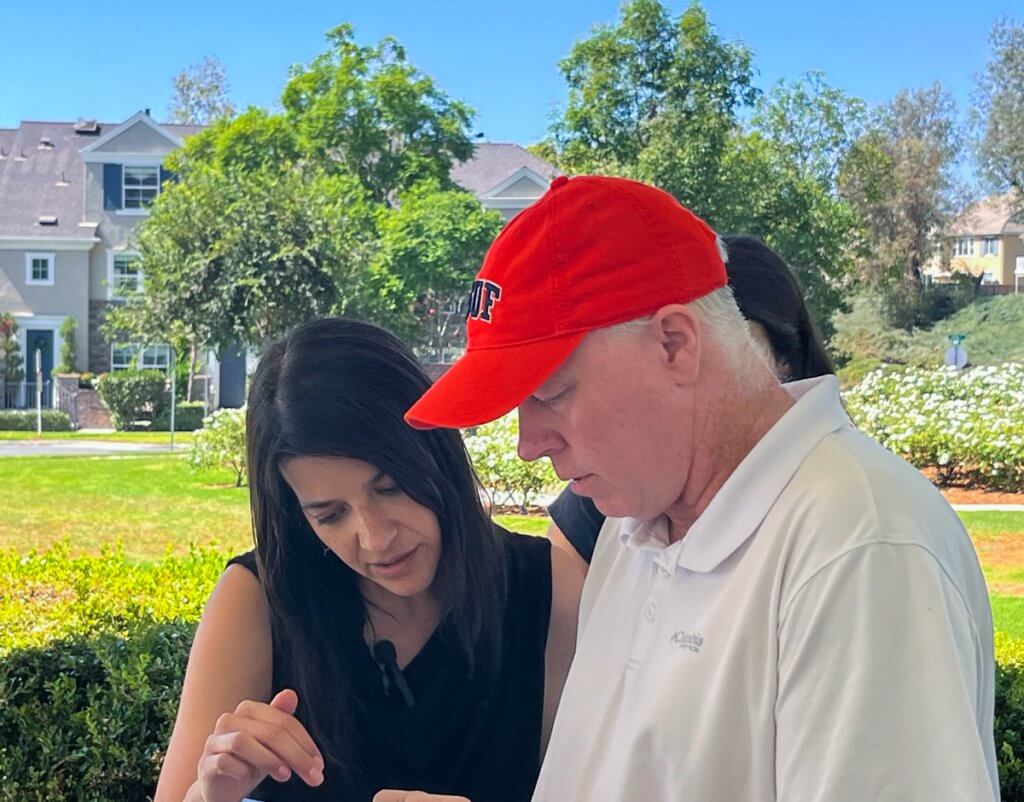
“I can’t, as a researcher who has the skills to do something, turn my back on a community that needs answers,” says Jennifer Piazza, CSUF public health professor and Ladera Ranch resident, who joined the Ladera Ranch Health Watch team.
Piazza asked for help from her CSUF colleagues in the Chemistry and Biochemistry, Public Health, and Geography departments, who are experts in air pollution, water pollution, cancer epidemiology, and geographic information systems. They promptly responded, offering to volunteer their time, their expertise, and their research labs.
With their help and support, including rapid-response funding from the CSUF College of Health and Human Development, Piazza aims to conduct preliminary studies before applying for funding from larger agencies.
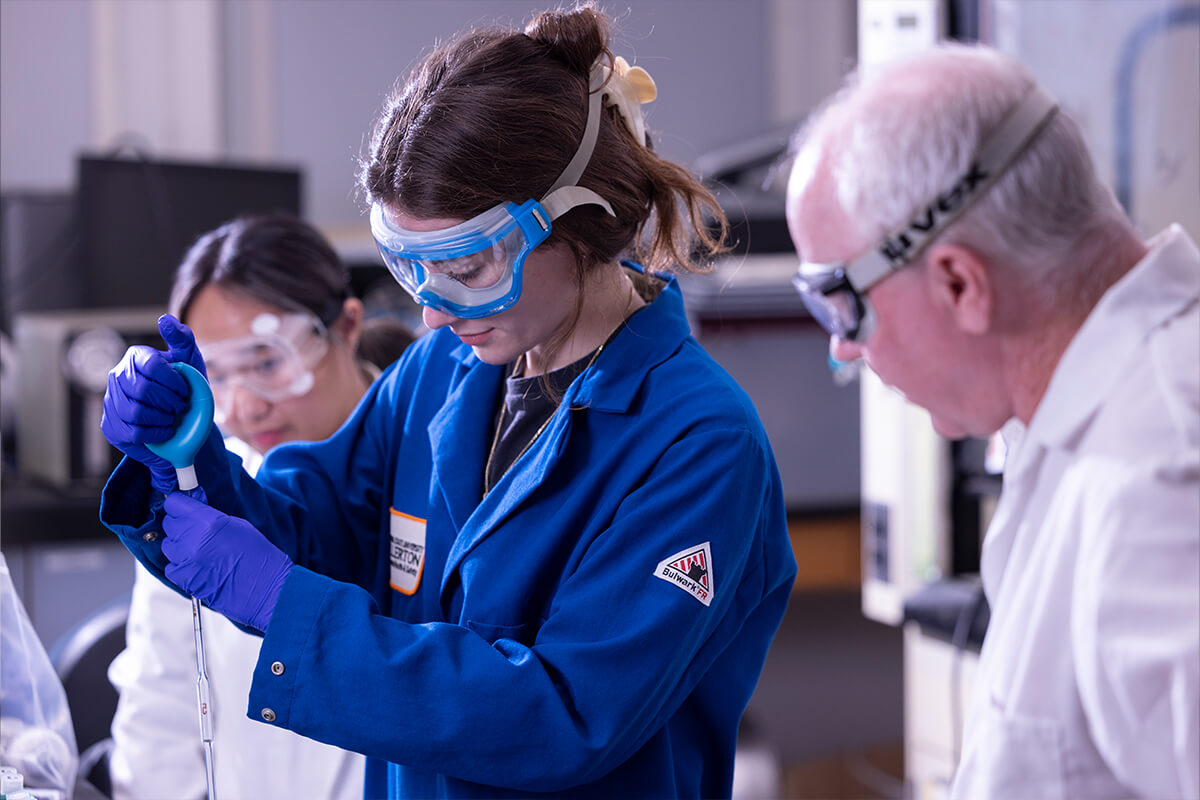
For one project, Piazza enlisted the help of colleagues Professor Daniel Curtis, Associate Professor Paula Hudson, Associate Professor Stevan Pecic, and an army of student researchers from the College of Natural Sciences and Mathematics to collect and test water and soil samples from the community.
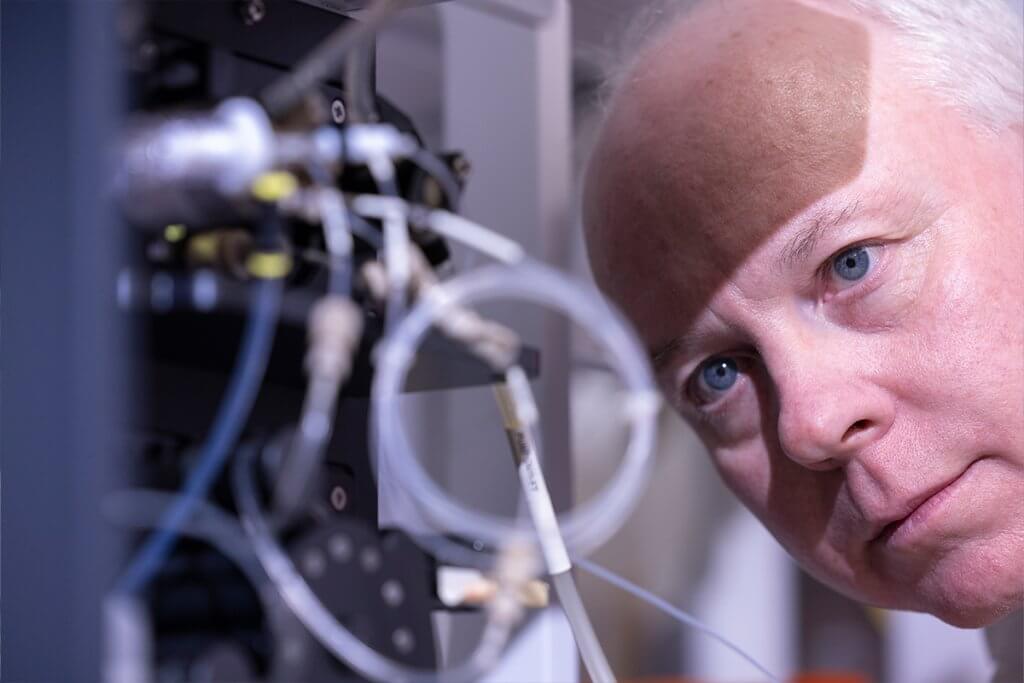
Curtis’ lab is testing samples for heavy metals, including arsenic and lead; Hudson’s lab will test samples for modern pesticides; and Pecic’s lab will test for bacteria in the soil that could interact with and alter the composition of previously applied pesticides.
Piazza says the team plans to test soil from approximately 12 common spaces, such as dog parks, around the community. Approximately a dozen chemistry and biology students are involved in this project.
Biochemistry major Anita Abazi, who had been mentored by Piazza and is Curtis’ student, explained the importance of this work.
“Projects like this… allow us to take what we learn in the classroom and apply it to issues that directly affect people,” she said. “As students, we are constantly learning, but research allows us to contribute to something larger while developing our skills as scientists.”
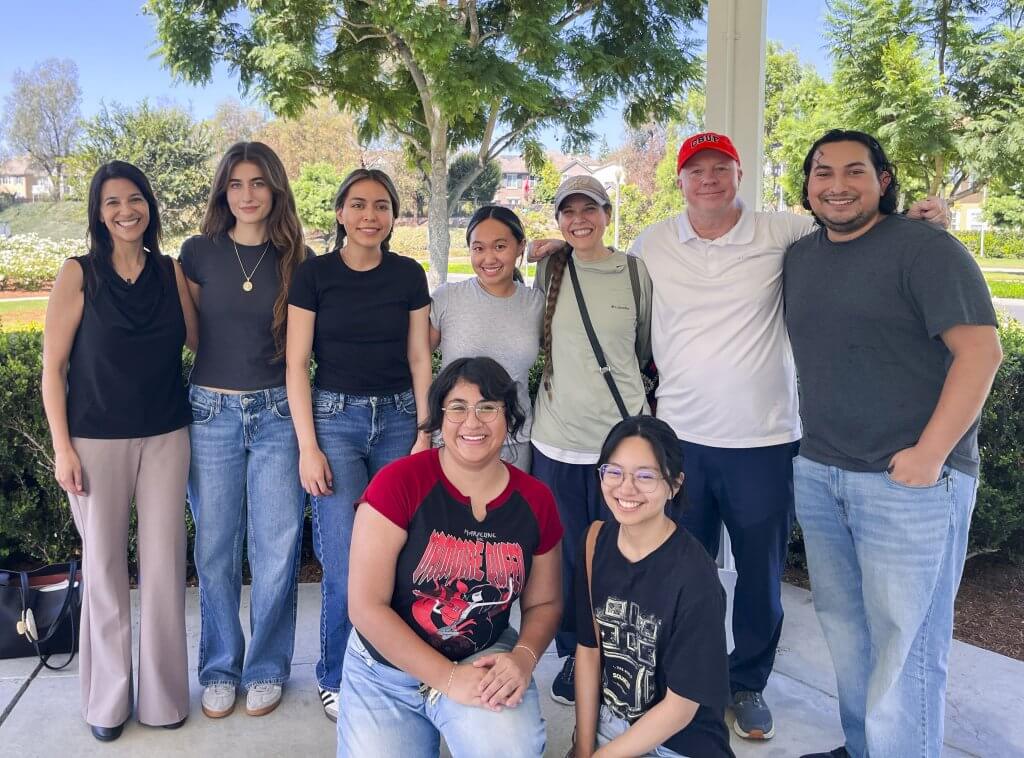
Angela Escamilla, also a biochemistry major, had this to say about her participation in this project: “This work makes me realize how working together to help a community during difficult times is very crucial and what makes us want to be in this field in the first place.”
CSUF researchers said that their next step is to conduct resident surveys, study air pollution and apply geospatial mapping to understand what sits under Ladera Ranch.