Carlos Yebra López is building digital infrastructure for endangered and less documented languages.
Previously, the assistant professor of Spanish Linguistics at CSUF specialized in Ladino, a rare language passed down by the ancestors of Jews who were expelled from the Iberian Peninsula in the 15th century.
Most recently, Yebra López turned his attention to Chavacano, an endangered language from the Philippines that he explains, “uses Spanish as a lexifier,” or as source of vocabulary, but with the grammatical structure of Filipino languages.
What do these two endangered languages have in common? Their connection to Spain. While Yebra López was born and raised in Zaragoza in the Northeast of Spain, he seeks to uncover “a more complex, multi-perspective picture of the Spanish language.”
He explains that he has a decolonializing approach to studying linguistic varieties of the Spanish empire and turns the Spanish language on its head. Spanish is the language that was recognized in regions colonized by Spain, but Yebra López wants to uncover “the silences that were imposed”–which voices were suppressed or repressed both across history and space and selects linguistic varieties that have previously been “marginalized and stigmatized as inferior.”
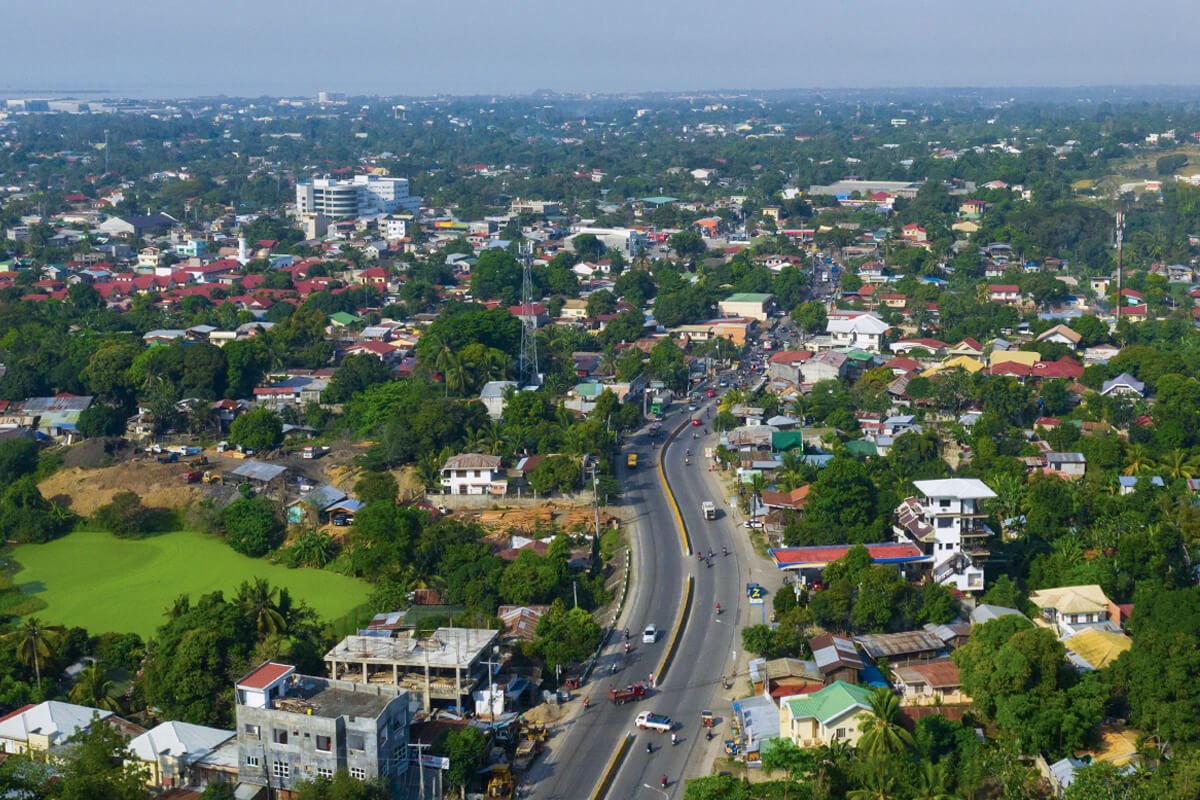
Now spoken by approximately 600,000 people in a country of over 117 million, “Chavacano refers to a group of Spanish-lexified creoles historically spoken in Ermita (Manila), Cavite, Ternate, and Zamboanga, all traditionally traced to the early 17th century.”
Chavacano, spelled “Chabacano” in Spanish, means “vulgar.” According to Yebra López, this was deliberate. He explains that the label was applied by Spanish speakers “as a stigmatizing term, in line with the broader view of the creole as corrupted or debased Spanish.”
Today, the Chabacano community is actively reclaiming the word and language with pride.
Yebra López is not merely studying the language. Through his fieldwork, Yebra López is documenting languages and developing digital tools, including chatbots, to help people all over the world learn languages, including Chavacano.
He lays out his intention: “By combining linguistic research with digital technologies, my work enables people around the world to learn, practice, and interact with endangered languages for free, while exploring how digital platforms can support language revitalization and counter language displacement in an increasingly digital world.”
Like his prior work in Ladino, he is also creating an avatar for this chatbot. Named Pilar, the chatbot is designed to reflect the speech and conversational style of a typical Chavacano speaker from the Philippines, drawing on the linguistic characteristics of an elderly speaker from the region where Chavacano is spoken (just outside Zamboanga City).
SEO titleInsert variableGenerate SEO title
“The idea is to showcase fluency and to allow people who don’t have that fluency to acquire it,” he says.
Yebra López says Chavacano should not stay merely labeled an endangered language, as categorized by Expanded Graded Intergenerational Disruption Scale (EGIDS) in 2024.
Meta Boxes
Use up and down arrow keys to resize the meta box pane.
Move upMove downShow or hide panel
It needs to be “protected with educational policy, more media presence, more international awareness,” he says.