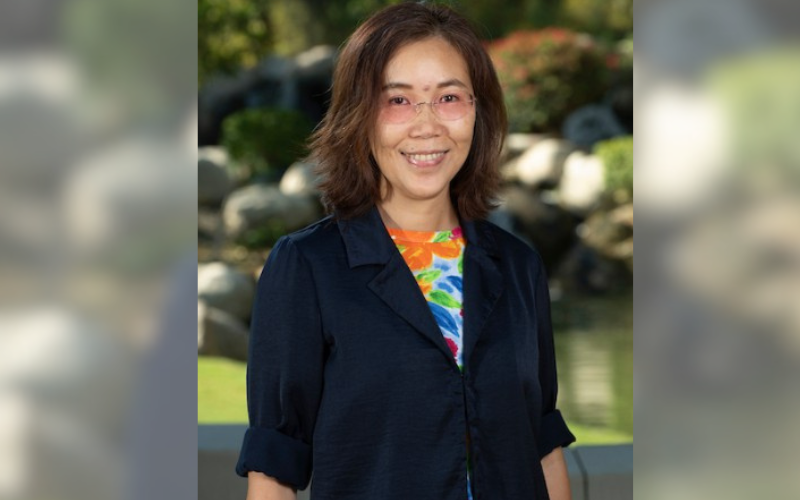
Teenagers today are growing up in a world where algorithms determine much of what they see online, from videos to news stories. New research by Roselyn Du, professor of communications at Cal State Fullerton, explores how these algorithm-driven feeds shape teenagers’ news consumption and understanding.
The study asks an urgent question: Do algorithms support or constrain news literacy, and how does awareness of these systems influence engagement with information?
Du’s project combined a national survey of 427 teens with in-depth interviews of 30 high school and college students. The survey found a surprising result: Algorithmic news recommendations do not automatically reduce news literacy. In fact, when teens are aware of how algorithms work, these systems can help them appreciate news more fully and engage with it critically.
Interviews added depth to these findings. Many teens rely on social media as their primary news source and are aware of the influence of algorithmic curation. While participants expressed concern about misinformation, those with higher algorithmic literacy showed stronger news literacy and greater confidence in evaluating content.
“This research shows that teens can benefit from personalized news when they understand how algorithms work. Awareness and algorithmic literacy play a key role in shaping news engagement and critical thinking,” said Du.
The study highlights the importance of examining algorithmic media consumption in teens. It investigates both the positive and negative impacts of tailored news on news appreciation and literacy. By focusing on algorithmic literacy, the research sheds light on how awareness can empower youth to engage thoughtfully with the news.
Du emphasized the broader significance: “Understanding the role of algorithms is essential for supporting teens’ media literacy in an increasingly digital world.”
Supported by a Research, Scholarship, and Creative Activity grant through the Office of Research and Sponsored Programs, the project has produced presentations at the 2025 Broadcast Education Association and the World Journalism Education Congress. The findings demonstrate how seed-funded research can reveal surprising insights about technology, media and youth engagement.